


“From you shall come forth for me …” Yes, prophecy is fulfilled — the line of David, the Messiah, was to be born in Bethlehem. Yet within one verse, one chapter, one book—packed into the Old Testament — the impact of its prophecy is felt for hundreds of years, and then is expressed definitively in the chapters and verses of several writers in the New Testament, until today, when we still joyously mine the depths of God’s word.
Feast of the Nativity of the Blessed Virgin Mary
Micah 5:1-4a
Matthew 1:18-23
The LORD says: You, Bethlehem-Ephrathah, too small to be among the clans of Judah, from you shall come forth for me one who is to be ruler in Israel; whose origin is from of old, from ancient times. (Micah 5:1)
This densely packed sentence from Micah surpasses proverbs and predictions from any other hallowed scriptures outside the history of Hebrews. That may seem an overstatement. But it’s not.
We see this rich gathering of revelation often in the Old Testament, consistently revealed in the New Testament of the apostles and disciples. Put together the weaving of God’s word from book to book, and from the Old to the New Testament, and the message is clear. God is talking to us.
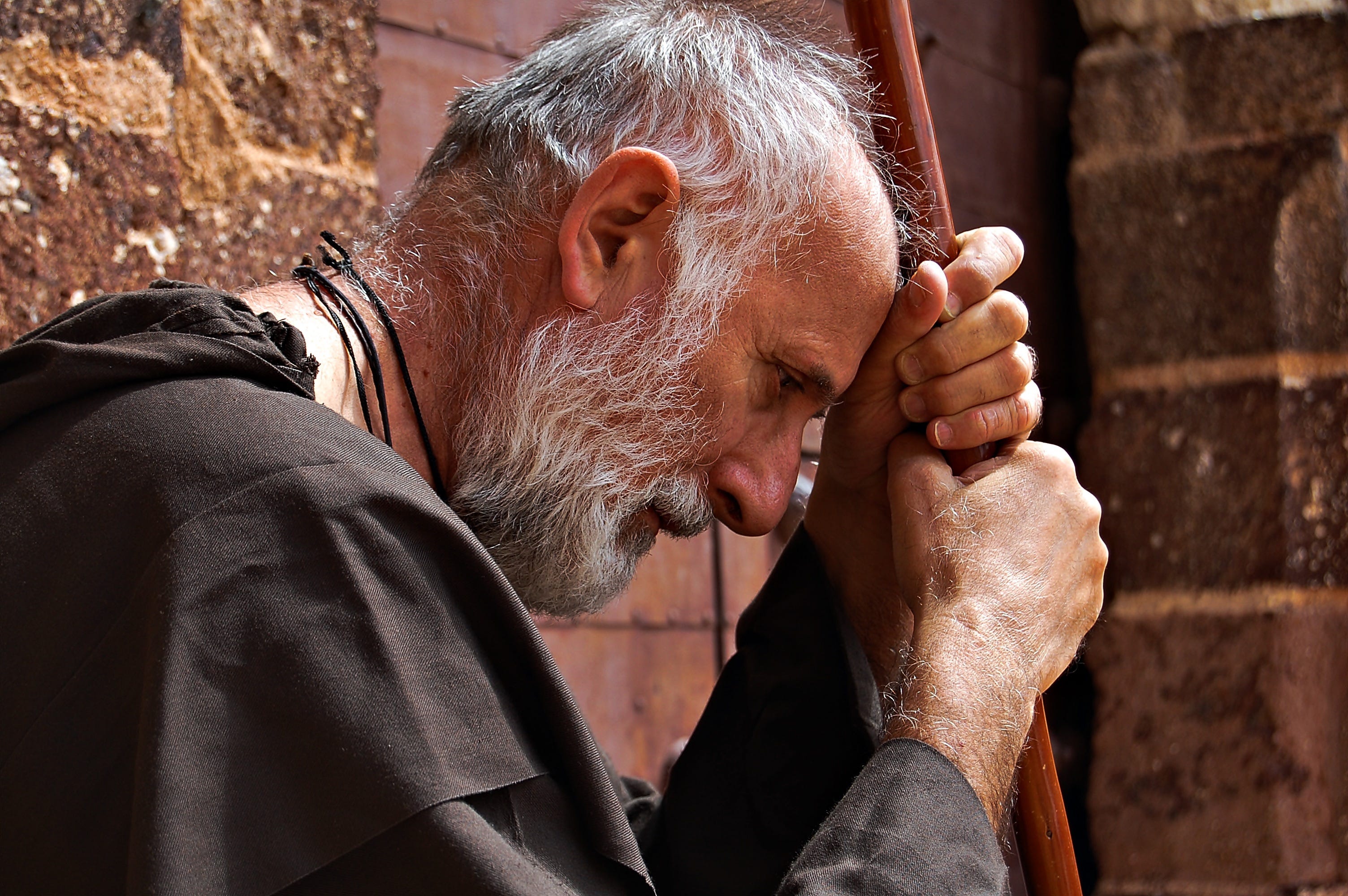
First, the “Lord says.” That’s not hubris. It’s an interdiction, a destruction, firmly trumping any other words from the gods of faith expressions. That insistence, that the “Lord says,” ripples across the globe. God over and over again places himself above all other gods. Search the scriptures for “the Lord says” and watch your focus change. It’s like a cure-all for whatever ails you.
After reading just a few commentaries on “You, Bethlehem-Ephrathah, too small to be among the clans of Judah,” the complexity of God’s prophecy in this declaration piles one set of historical reference upon another until your head spins.
The standard explanation for this Bethlehem text is simple. From Catholic Answers: “… a prophecy that the messiah will be from the city and lineage of David. This was fulfilled through Jesus being born in Bethlehem to a family from the House of David.”
But there’s so much more in this phrase. “From you shall come forth for me …” Yes, prophecy is fulfilled—the line of David, the Messiah, was to be born in Bethlehem. Yet within one verse, one chapter, one book—packed into the Old Testament—the impact of its prophecy is felt for hundreds of years, and then is expressed definitively in the chapters and verses of several writers in the New Testament, until today, when we still joyously mine the depths of God’s word.
Even more wonderful is the divine placement of this text into our present mix of liturgical seasons in the lectionary. On the holy Feast of the Nativity of the Blessed Virgin Mary, a Tuesday in one of three cycles of daily Mass scriptures, this prophecy meets the woman, also prophesied, whose travels forced her to Bethlehem, guided by her also celibate husband, thereby confirming the apex of human history’s salvation.
We can study this text in the Fathers of the Church, Vatican documents over two thousand years, and a rash of commentaries dating back 500 years. For further impact, here are four commentaries—each different and largely correct in their assessment—from one arena of biblical scholarship: Evangelical/Protestant study. You’ll see their astonishing range of insights, and that much more can still be said.
Ellicott’s Commentary: Bethlehem Ephratah: the two names, modern and ancient, are united, each of them having reference to the fertility of the country. The interpretation given to it by the chief priests and scribes in the Gospel of St. Matthew challenges their dismissal of Jesus on the ground that He was from Galilee, a place infertile and unable to produce anything good.
Benson Commentary: The word Ephrah, or Ephratah, is added here to distinguish Bethlehem in the tribe of Judah from another Bethlehem in the tribe of Zebulun. Our Lord was born at Bethlehem by a special act of Providence, that this prophecy might plainly be fulfilled in him (Luke 2:4).
Barnes’ Notes on the Bible: “Truly is Bethlehem, ‘house of bread,’ where was born ‘the Bread of life, which came down from heaven’” (John 6:48; John 6:51). So lowly was Bethlehem that it was not counted among the possessions of Judah.
Jamieson-Fausset-Brown Bible Commentary: God chooses the little things of the world to eclipse in glory its greatest things (Jud 6:15; Joh 1:46; 1Co 1:27, 28). The low state of David’s line when Messiah was born is also implied here.
These four commentary insights and references on one small phrase—unique yet vital bits of detailed information—only scratch the revelatory surface of what Scripture reveals to us. Consider the depths of God’s “Word” that we cannot plumb in our short lifetimes.
To manufacture these Jesus-reverberations of prophecies, spoken as truths, in such a mapped and marked way, is simply impossible for writers across many centuries. No men or women, gathered as these scriptures were, could have woven this.
From you shall come forth for me
one who is to be ruler in Israel;
Whose origin is from of old,
from ancient times.
The awareness of this prophet Micah, that he, already our ancient ancestor, would speak of the Christ, “Whose origin is from old, from ancient times,” removes bookends that we might place upon Micah in history. That is, he wrote many millennia ago, and he spoke of many millennia before him. The words have no borders in time, and we have them in practically every language on earth.
Including God's narrative in these ancient texts gives Micah’s words weight. We might imagine that is a writer’s technique. Yet, how could Micah or any ancient prophet have known the phrase “From you shall come forth for me,” which all scripture eventually points to? What mingling of disparate and distant authors could imagine, much less conspire, to calculate that this one place of Bethlehem, at one point in time, would pinpoint the incarnation of God into our midst?
There are 29 translations of the pithy truth, each in a different language, that lay the same conclusion plainly before us. “You can’t make this stuff up.”
Our Living Waters song, "O Little Town of Judah," features the 'House of Bread' reference mentioned here in this article:
https://open.spotify.com/track/2mSne3IwPZ6eTuALKj1Yrt?si=ac75fb857a674def