


By Steve Hall
Some laws are prescriptive; some are proscriptive. Some we claim are universal; others are not. Some are based on observation; others socially determined; and still others we consider inherent in the essence of things. What then, do we do with the Commands, laws, precepts, and ordinances referred to in today’s readings?
Tuesday of the Twenty-fifth Week in Ordinary Time
Proverbs 21:1-6, 10-13
Luke 8:19-21
Though it may not be obvious, the readings for the day fit together more readily than they do on many other occasions. A single line from each makes the connection clear.
From the first reading: To do what is right and just is more acceptable to the LORD than sacrifice.
And from the Responsorial Psalm, the refrain: Guide me, Lord, in the way of your commands.
And finally, the Gospel offers this: My mother and my brothers are those who hear the word of God and act on it.
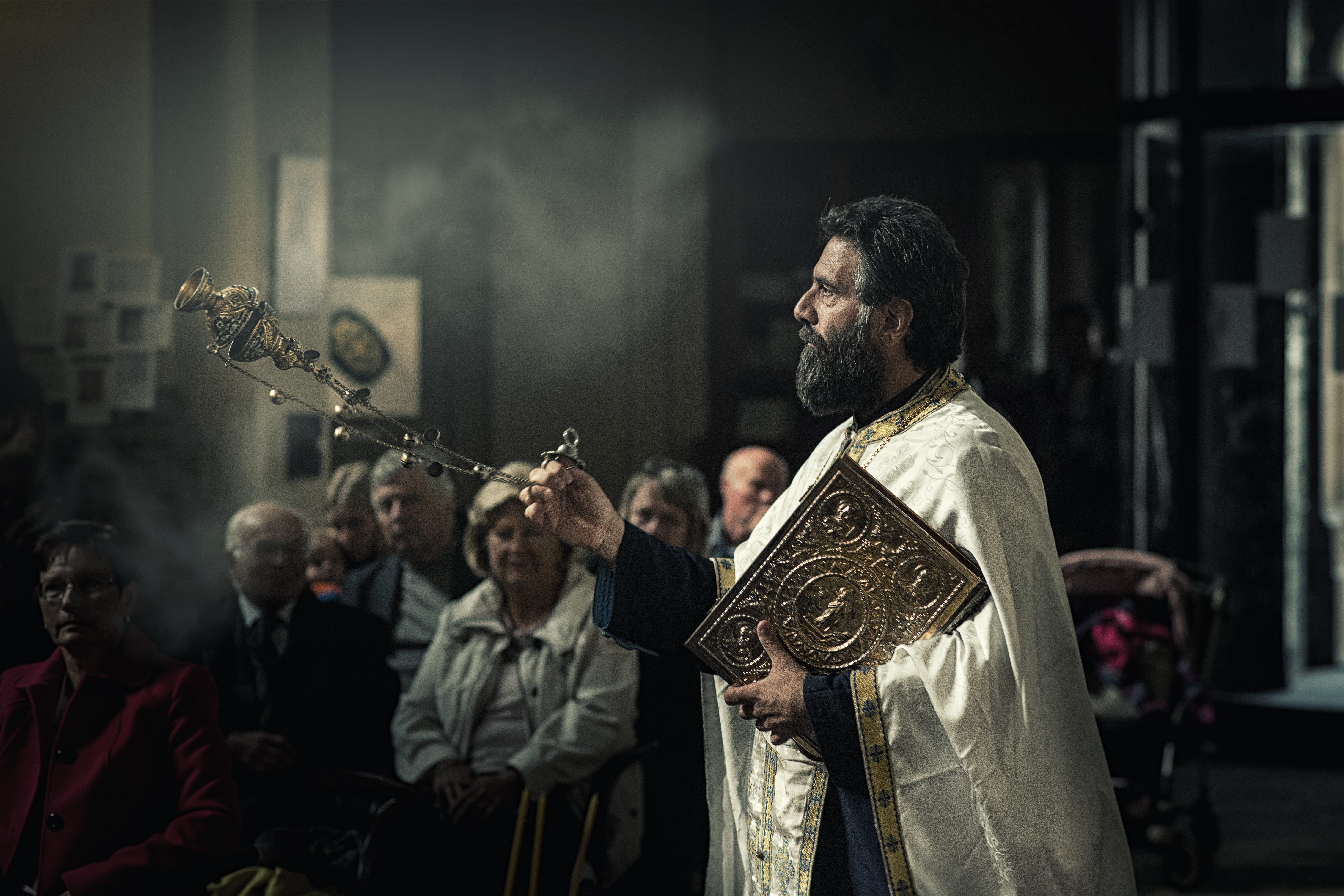
Consider first the teaching from Proverbs. The ‘right’ and the ‘just’ are intrinsic to God's essence, while sacrifice is a human invention. That distinction alone tells us why the one is more acceptable than the other.
The Psalm response harkens back to the Psalm itself.
Make me understand the way of your precepts
I have set your ordinances before me
Give me discernment, that I may observe your law
I will keep your law continually
Then the Gospel reminds us to ‘hear’ and to ‘act.’ This is the same as the message we received in Proverbs.
However, one element in all three can easily be misleading. Commands, laws, precepts, ordinances — all are used as synonyms, meaning essentially the same thing. A thesaurus would offer even more. Consequently, what we call ‘Law’ must regularly be modified. Traffic Law. Civil Law. Criminal Law. Scientific Law. Natural Law. Moral Law. Divine Law. Etc. Etc. Etc.
Some laws are prescriptive; some are proscriptive. Some we claim are universal; others are not. Some are based on observation; others socially determined; and still others we consider inherent in the essence of things. What then, do we do with the Commands, laws, precepts, and ordinances referred to in today’s readings?
First we must acknowledge their source, and the character of that source. The text tells us that these ‘laws’ come from God himself. Therefore, they bear His unchanging nature. So, while our understanding of these laws may improve over time, the laws themselves are immutable. The obvious counterpart is that these Laws are not subject to our will, nor can we modify them as we determine. Finally, we note that these laws reflect the very essence of their source—they are the way they are because they correspond to the perfection of the divine.
And so we come to the point where we must consider the last line of the readings for the day.
“My mother and my brothers are those who hear the word of God and act on it.”
Is this a statement of fact? Of feeling? Of poetic expression? Hearing the Word and acting on the Word aligns us with the Word. This is more than an expression. It is the reality of our lives.