


Suddenly, the Lord whom we seek will come to dwell in us. The Holy Spirit is the messenger of the covenant we desire. We yearn for a community of faith, a gathering of faulty people accepting the friendship of God and the forgiveness of our sins. None of us is deserving, but all of us are sought after by the Father, the Son, and the Holy Spirit.
Tuesday of the Fourth Week of Advent
Malachi 3:1-4, 23-24
Luke 1:57-66
Thus says the Lord GOD:
Lo, I am sending my messenger
to prepare the way before me;
And suddenly there will come to the temple
the LORD whom you seek,
And the messenger of the covenant whom you desire. (Malachi 3:1)
This messenger prophesied by Malachi turned out to be John the Baptist. Malachi — which means “messenger” — is likely a nom de plume, a pseudonym for another author, perhaps Ezra, or a couple of scribes. Let’s stick with Malachi, since the biblical tradition does too.
The storyline of Malachi is well outlined by the USCC (United States Conference of Catholic Bishops) in their introduction to the book of Malachi. The following explains a pattern we’ve seen many times in the Bible—an expected reply from God to societies gone awry.
God loves Israel (1:2–5), but the people return that love poorly. Taking advantage of the negligent attitude of the priests, they withhold tithes and sacrificial contributions (3:6–11) and cheat God by providing defective goods for sacrifice (1:6–14). People divorce their spouses and marry worshipers of other gods (2:10–16). Sorcerers, adulterers, perjurers, and people who take advantage of workers and the needy abound (3:5). Priests, who could strengthen discipline by their instruction, connive with the people, telling them what they want to hear (2:1–9). Underlying all this is a weary attitude, a cynical notion that nothing is to be gained by doing what God wants and that wrongdoers prosper (2:17; 3:14–15). God condemns the wrongdoing and the underlying attitude, issuing a challenge to immediate reform (3:10–12), but also announcing a general reckoning at a future moment (3:16–21).
“Sure,” you may be thinking. That also describes our times. We fit the faulted folks of Malachi’s period under the Persian overlords, 500 years before Christ. We don’t tithe, allow (and even celebrate) divorce, take advantage of workers and immigrants, abuse the needy for political or economic purposes, are counselled by sorcerers, and hail leaders who tell people what they want to hear. To be blunt, it’s a repeated refrain. We could similarly accuse the populations of every decade over the last 2,000 years.
Look closely, however, at that last phrase regarding God’s condemnation in the message given for Malachi to preach — but also announcing a general reckoning at a future moment (3:16–21).
Our minds go first to the good news, which is appropriate for dealing with God’s reckoning.
And suddenly there will come to the temple
the LORD whom you seek,
And the messenger of the covenant whom you desire.
Lots of marvelous stuff packed into that verse. The temple. The temple used to be the dwelling place, pinpointing the Lord’s presence in our realm. That changed at the splitting of the veil at Jesus’ crucifixion. Even before that, the temple of the Hebrew nation was destroyed forty years later, and the temple housing of the Lord became the Christ's followers.
The message is still valid. Suddenly, the Lord whom we seek will come to dwell in us. The Holy Spirit is the messenger of the covenant we desire. We yearn for a community of faith, a gathering of faulty people accepting the friendship of God and the forgiveness of our sins. None of us is deserving, but all of us are sought after by the Father, the Son, and the Holy Spirit.
And now to the reckoning, the consequences of not accepting God’s friendship and dismissing the need for forgiveness.
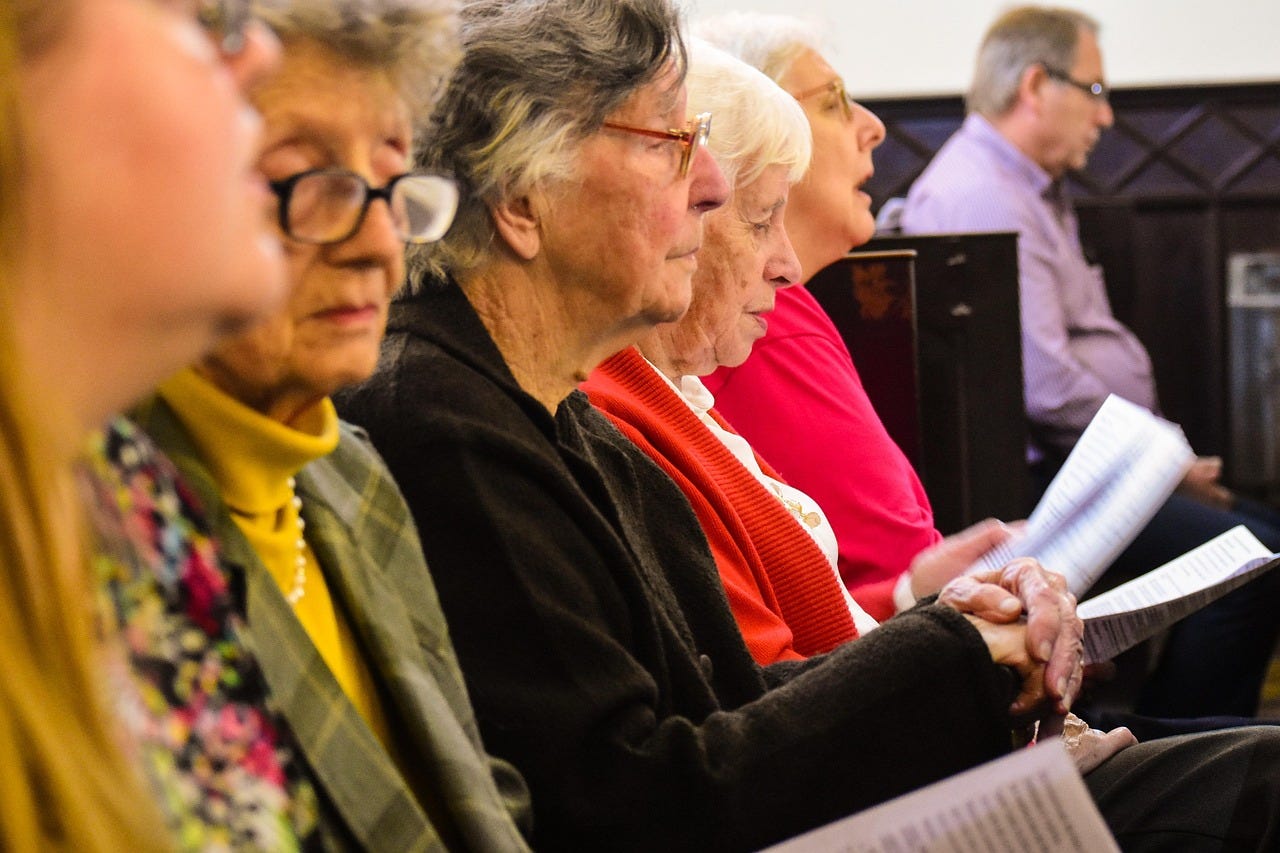
We huddle together for that very reason. Someone among us calls out a reminder, repeating the message of God’s friendship and shared desire that we need him in every moment. “Do not be afraid,” we tell each other. “Let’s pray,” the courageous ones say.
The Temple drew people to God after he formed them in the desert to enter the promised land and fixed that holy place in Jerusalem. Now, God gathers the holy temple people in homes and churches worldwide. We await the reckoning with pleas for mercy for our nations. Some of us will go as martyrs, but all of us want our loved ones to join us.