


By Steve Hall
We might not think of God as a teacher. Yet, in more ways than we know, he instructs both at the individual level and at the broader level, which is addressed to all mankind. Scripture itself is primarily a revelation of who God is both in himself and in his relation to men. Think about it. The initiatives were all on God’s side as the Hebrew people were led to the Promised Land.
Tuesday of the Twelfth Week in Ordinary Time
II Kings 19:9-11, 14-21, 31-36
Matthew 7:6, 12-14
The pattern starts off one-sided. We could begin earlier, but let’s start with Moses.
The burning bush was God’s idea. So too was the notion that Moses should speak with Pharaoh and that Mose’ brother would speak for him. So too were the miracles surrounding Aaron’s rod and its confrontation with the rods of the Egyptian priests. So too were the plagues and the sprinkling of the lamb’s blood on the doorposts. So too were the miraculous incidents in the forty years of desert wandering. So too were the ritual directions that preceded the fall of Jericho.
I could go on, but you get the point. The initiatives were all on God’s side as the Hebrew people were led to the Promised Land. Granted that some followed from complaints, but few, if any, followed from what we would call prayer.
That situation began to change during the period of the judges. The scriptures suggest a greater awareness of God’s active presence among some of the Israelites during those times, as well as greater attention to seeking the Lord’s help in times of trouble.
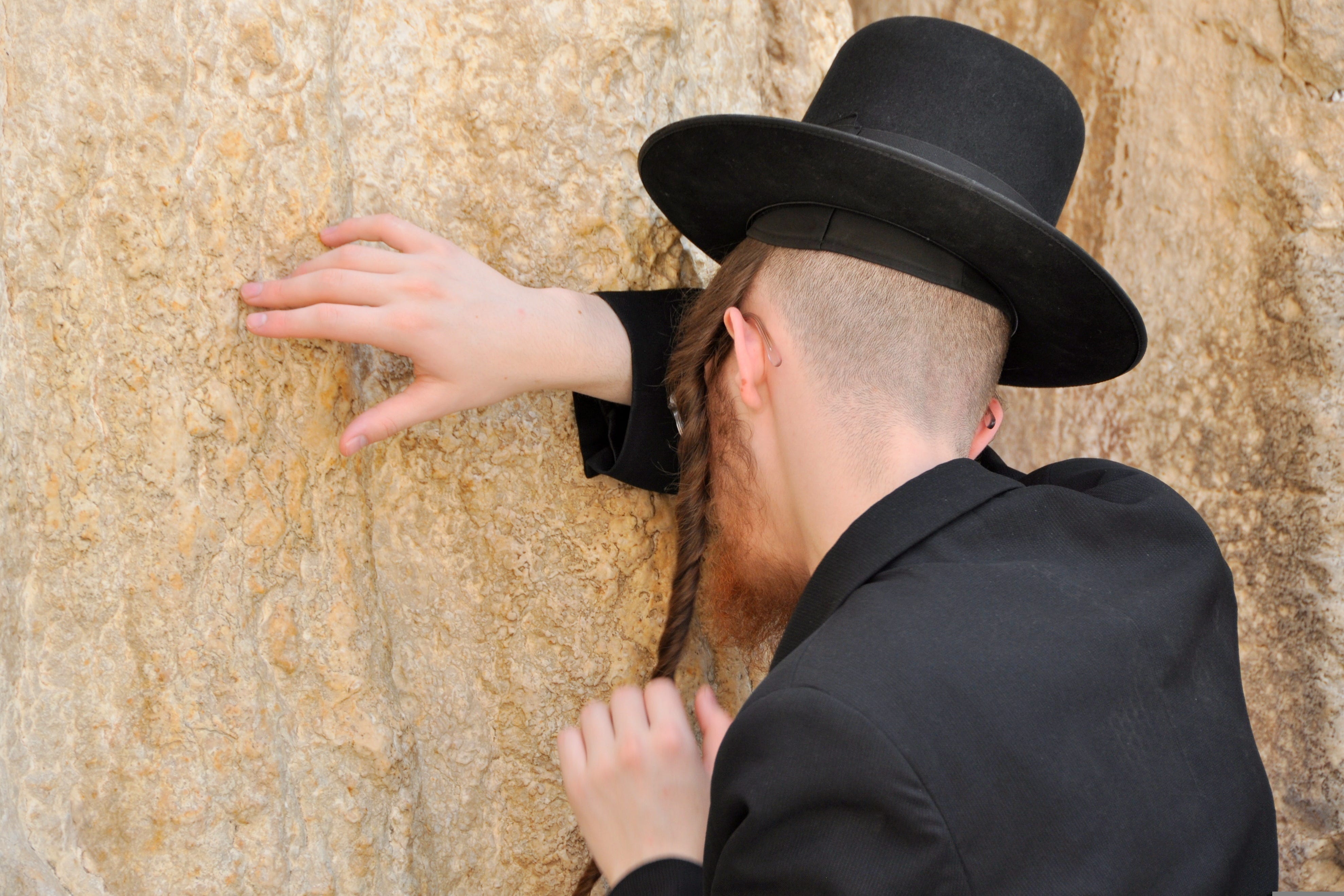
The process of education in prayer continued through the centuries. It would eventually fall into a consistent pattern, which first acknowledged the absolute supremacy of God and the relative inadequacies of man. From there, it would proceed to include the notion that whatever response followed that response was known to fit with who God is. Correspondingly, there was the development of trust or surrender — an active confidence that God knows better than man. These elements had all been there for some years, but they needed to be common to all for mankind’s relationship with God to be right.
The growth in prayer brought with it a shift in perspective. God wasn’t simply doing what He wanted. Neither was He responding to man’s attempts at manipulation. Rather, He was responsive to human needs, though simultaneously desiring correspondence between His eternal plan and the desires of men.
We might not think of God as a teacher. Yet, in more ways than we know, he instructs both at the individual level and at the broader level, which is addressed to all mankind. Scripture itself is primarily a revelation of who God is both in himself and in his relation to men.
We don’t have too much trouble in understanding some basics about God, but it seems we have a lot of trouble understanding his desired relationship with mankind.
“Therefore do not be anxious … your heavenly Father knows that you need …” (Matthew 6:31-32)
So why not ask? When Jerusalem was threatened, Hezekiah turned to prayer. The Assyrians were destroyed. You read the account from the book of Kings, and it seems simple.
All this makes me curious.
What would have happened if Europe had responded to Hitler with prayer? What would have happened if the world had faced the challenge of communism with prayer? What would have happened if Israel and/or the US had responded to Iran with prayer? What would happen in my life if I responded to trials and difficulties with prayer?