


By Lou Occhi
Sister Mary Michael assigned us a math problem to solve for homework. I threw myself into the problem and finally solved it. The next day, Sister asked who solved the problem. I raised my hand and went to the blackboard to show how I did it. There were several lines of equations leading to the answer. When I was done, Sister said that was very good, but it was like going to New Orleans by way of Chicago.
Tuesday of the Sixteenth Week in Ordinary Time
Micah 7:14-15, 18-20
Psalm 85:2-4, 5-6, 7-8
Matthew 12:46-50
Micah, a minor prophet, belongs to the group who wrote shorter books than the Major Prophets. They are just as important as the Major Prophets. Micah was a contemporary of proto-Isaiah (chapters 1-39). He was known for his prophecy that the Messiah would be born in Bethlehem. Micah was probably the source used by Herod’s priests who directed the Kings to Bethlehem. He is the only prophet mentioned by name by another prophet, Jeremiah 26:18.
“Micah of Moresheth* used to prophesy in the days of Hezekiah, king of Judah, and he said to all the people of Judah: Thus says the LORD of hosts: Zion shall be plowed as a field, Jerusalem, a heap of ruins, and the temple mount, a forest ridge.
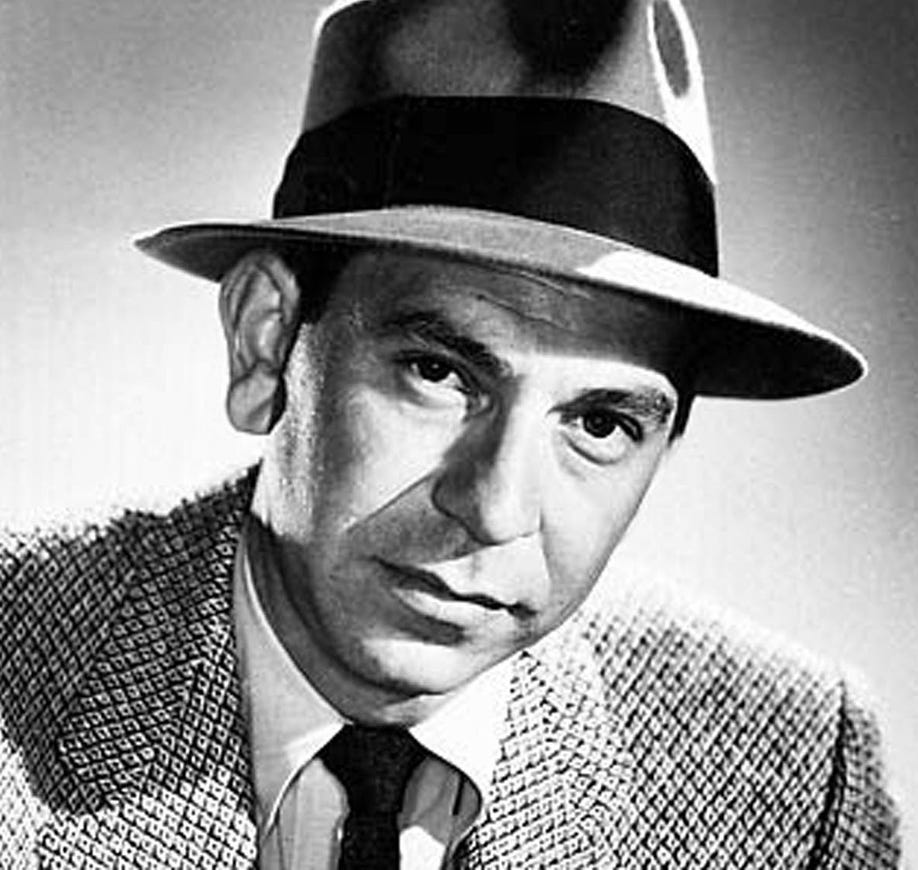
Micah's writing was not elegant. His work consisted primarily of prophetic oracles—divinely inspired messages delivered to communicate God’s will, warnings, or promises to individuals or nations. Micah wrote with no narrative and little in the way of structure and design. In short, he wrote to deliver the facts, “just the facts.”1
At the time of Micah’s writings, there were abuses of the poor by the wealthy elite (Mic 6:9-12), corruption within the leadership classes (Mic 7:2-4), and false and/or hypocritical cultic practices (Mic 5:11-14) in both Judah and Israel.
In the book of Micah, there are three Oracle Cycles. That is, three sections to his writings. Each section roughly follows a pattern of judgment, lament, and salvation. The first cycle was directed toward the elite and leadership classes. Today’s reading is from the third cycle regarding salvation. For me, Micah 7:18-19 captures the essence of today’s first reading. “Who is there like you, the God who removes guilt and pardons sin for the remnant of his inheritance; Who does not persist in anger forever, but delights rather in clemency, and will again have compassion on us, treading underfoot our guilt? You will cast into the depths of the sea all our sins.”
The psalm follows, reinforcing the belief in God’s limitless love and mercy. The refrain simply asks the Lord to show us His mercy and love. One line in the psalm states, “You have forgiven the guilt of your people; you have covered all their sins.” The Gospel acclamation verse continues with the theme of love and mercy. We are told that whoever loves Jesus and keeps His word, the Father will love him, and He will come to him. If you think about this for a moment, it is saying that if I keep the word of Jesus, the Father, the creator of all things seen and unseen, He will come to me. That is unimaginable.
Finally, the gospel recounts Jesus’ reaction when someone tells Him His mother and brothers are asking to speak to Him. Jesus asks, “Who is my mother and who are my brothers and sisters?” Jesus stretches out His hand toward the crowd and announces that “these are my mother, my brothers, and my sisters. Whoever does the will of my heavenly Father is my brother, sister, and mother.”
Other than His mother, they had all sinned at some time in their life. Because God is love and is a merciful God, whoever does the will of the Father and repents of their failures can be His brother or sister. Now you may ask, what is the will of the Father for me? Does God have a task for me to perform? Is there some mission I am supposed to go on?
This reminded me of an event when I was in high school in southern Mississippi; Sister Mary Michael assigned us a math problem to solve for homework. I threw myself into the problem and finally solved it. The next day, Sister asked who solved the problem. I raised my hand and went to the blackboard to show how I did it. There were several lines of equations leading to the answer.
When I was done, Sister said that was very good, but it was like going to New Orleans by way of Chicago. She then showed us a much easier way to reach the same solution in a lot fewer steps. Sometimes we make things much harder than we need to.
This brings us back to the question: what is the will of the Father for me? It is simply, “To love our God with all our heart and with all our soul, and with all our mind and with all our strength.”
Also, we are to love our neighbors as ourselves. If we do that to the best of our ability, everything else will take care of itself through the help of God’s mercy and love.
After all, how did it happen that we are all here today? Is it just an accident that we happen to come together once a week to talk about scripture and how it affects our lives? I don’t think so. I believe there are reasons each of us has been led here each week.
Is that not fulfilling God’s will?
According to IMDB.com, “just the facts, ma’am” was never uttered by Joseph Friday (played by Jack Webb) on the TV show “Dragnet.” The original statement was, “All we want are the facts, ma’am.” Friday first spoke the words in the 1952 season 2 episode “The Big Lease.” After promotional posters for the show, however, the iconic phrase stuck.