

By Ron Bruni
St. Philip Neri suggests that holiness and joy are not opposites. In fact, joy may be one of the signs that we are finally learning what matters most. If we stay on this road long enough, we eventually realize something we may not have seen at the beginning: God has been present in every part of it. Not only what we gained, but even what we had to leave behind.
Memorial of Saint Philip Neri, Priest
I Peter 1:10-16
Mark 10:28-31
Today’s readings come from the first letter of Peter, Psalm 98, and the Gospel of Mark. As I reflected on them, one theme kept returning: the idea of surrender, of gradually learning what we can carry through life and what we cannot.
In the gospel, Peter said to Jesus, “We have given up everything.” And Jesus doesn’t deny it. He acknowledges the cost, but he also speaks about what is received in return, “100 times more in this present age.”
That stayed with me because, over time, life itself asks us to let go of many things. Sometimes willingly. Sometimes painfully. Expectations change. Strength changes. Certain dreams fade. Even parts of ourselves we once depended upon begin to fall away.
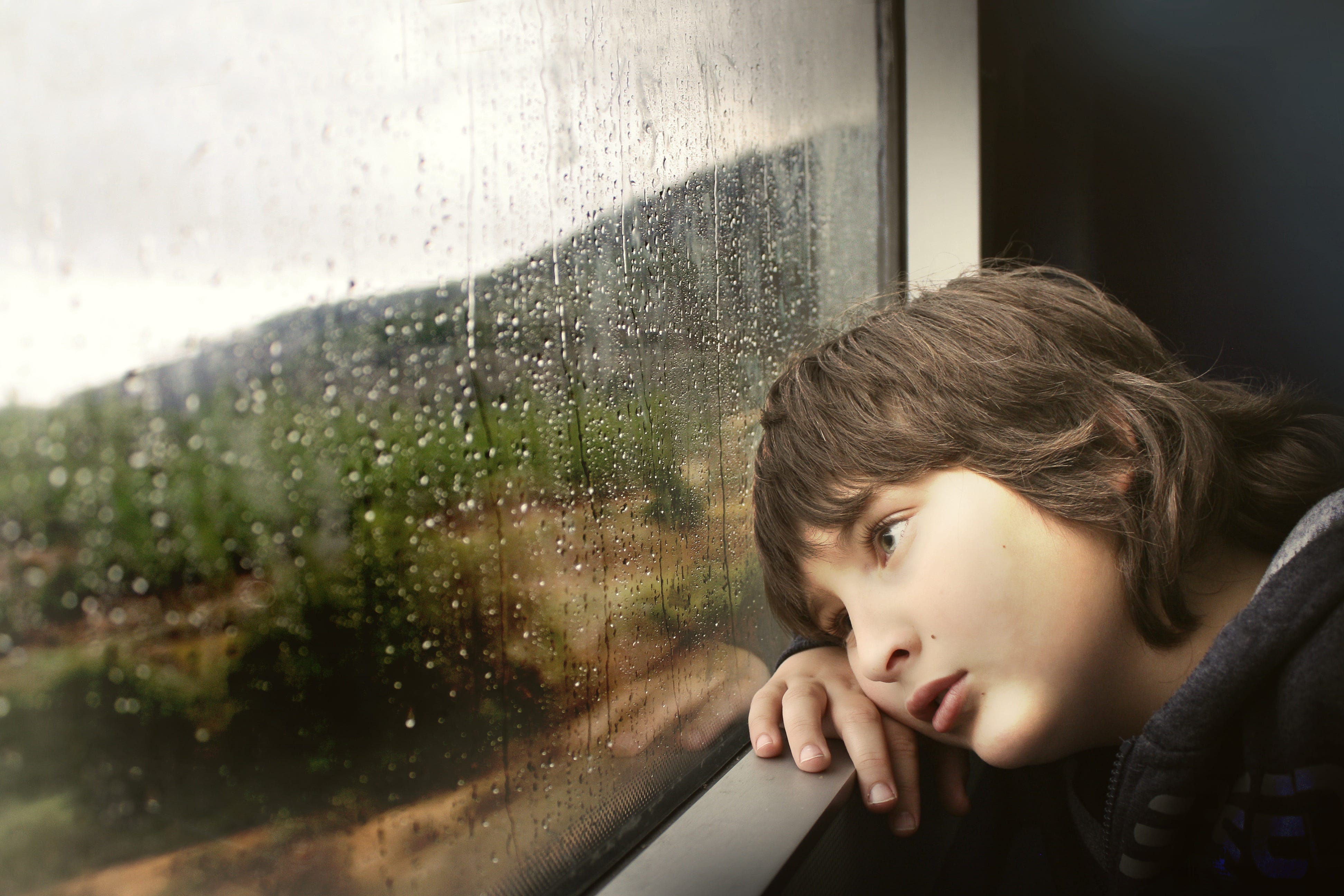
Peter, in his letter, speaks about holiness; perhaps holiness is not only about becoming more religious, but about becoming freer, loosening our grip on whatever keeps us from God.
And then I thought about St. Philip Neri, whose memorial we celebrate today. He let go of status, comfort, and recognition, but what strikes me is who he became afterward. Not severe. Not hardened. But joyful. Gentle. Approachable. There was a lightness about him, as though faith had made him more fully alive rather than weighing him down.
Philip Neri seems to suggest that if we are really receiving what God offers, we wouldn’t become burdened by faith; we would become more at peace, even more joyful. His life almost becomes a kind of test case: if letting go leads to bitterness, maybe we’re holding on to the wrong things; but if it leads to freedom, then something real is happening.
That may be one way to understand the “exchange” Jesus speaks about in the gospel. What God gives us is not less than what we surrendered; it is deeper. Different perhaps, but Fuller.
Over the years, life begins to feel less like a straight path and more like a long journey through different seasons. And anyone who has ever taken a long trip or hiked knows this: you cannot carry everything forever. Eventually, you learn the difference between what is essential and what only becomes a burden. Maybe faith works the same way.
Little by little, we are invited to lay aside resentment, pride, fear, or the need to control everything. And in their place, something quieter begins to grow: wisdom, compassion, patience, peace.
The Psalm reminds us that this journey is not random. We are moving towards something, towards God’s kingdom, towards a life that lasts beyond the temporary things we claim to have now. The real question is not simply what we have lost along the way but who we are becoming.
Do we become narrower or more open? More anxious or more peaceful? Does faith leave us burdened, or does it gradually teach us how to live with greater freedom and trust?
St. Philip Neri suggests that holiness and joy are not opposites. In fact, joy may be one of the signs that we are finally learning what matters most. In one last thought. If we stay on this road long enough, we eventually realize something we may not have seen at the beginning: God has been present in every part of it. Not only what we gained, but even what we had to leave behind. It makes me think of the disciples on the road to Emmaus. They walked along carrying confusion, disappointment, and grief, and only later did they realize that Christ had been walking beside them the entire time.
This is part of learning to travel well: not only choosing what to carry, but learning to trust the one who quietly walks with us through every season of life.
Because in the end, it may not simply be about the road we have taken, but about the one who has faithfully brought us this far, and who will continue leading us home.