

By Steve Hall
Home is a sacred place for most of us. We go home for the holidays; we promise to be home for Christmas. Like Dorothy in Oz, we know, “There is no place like home. There is no place like home.” And even if our early home life was deficient or oppressive, we imagine, even live in, a place where home is what we wish it could have been.
Memorial of Saint Elizabeth of Hungary, Religious
Revelation 3:1-6, 14-22
Psalm 15:2-3a, 3bc-4ab, 5
Luke 19:1-10
Both of today’s readings are expressive, even obvious in calling to the fore images of home.
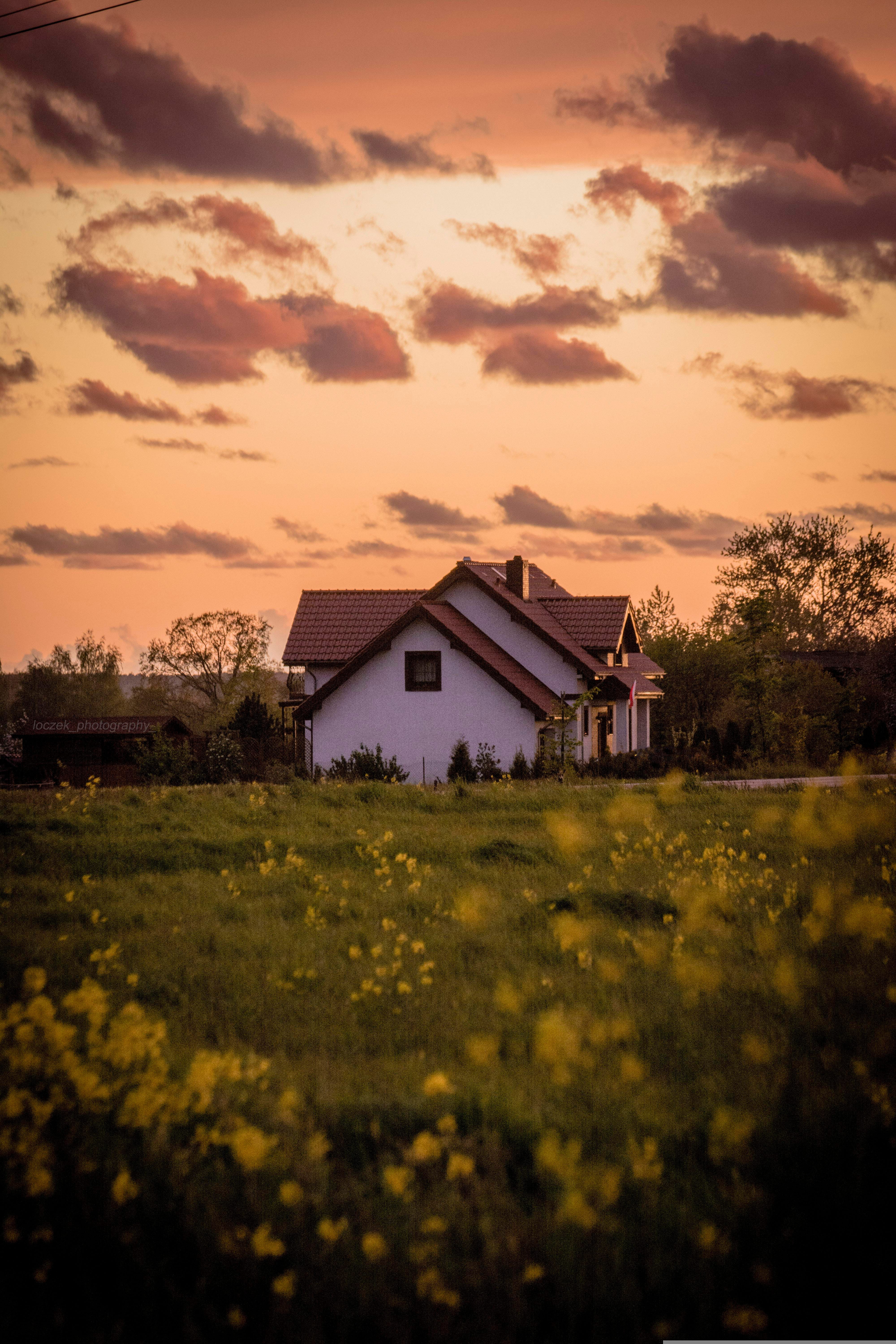
First, we have words addressed to the church of Sardis and the church of Laodicea. We may think in terms of our modern experience where so many cities have multiple churches, each with a large congregation. Such was probably not the case in these two cities of Asia Minor. Rather, their church was the home, the place of worship for all the followers of Christ in each of the two cities. And, in all probability, it was also someone’s family home. In the gospel story, the term ‘house’ is used as referring to a family, those who are “at home” in this particular dwelling.
The Scripture implies the same when the passage closes with the Lord’s knock at the door, a door which is imaged by artists as having no outside handle, a door where only the one inside can arrange entry.
The picture drawn in Revelation is continued in the story of Zacchaeus. We are introduced to the scene through observations of Zacchaeus’ height, his need to climb the sycamore, and the background of his employment. But the point of contact comes when Jesus says, “Zacchaeus, come down quickly, for today I must stay at your house.”
Home is a sacred place for most of us. We go home for the holidays; we promise to be home for Christmas. Like Dorothy in Oz, we know “There is no place like home. There is no place like home.” And even if our early home life was deficient or oppressive, we imagine, even live in, a place where home is what we wish it could have been. Home is where we grew up. It is the place where we were formed. Whether accepted or rejected in our adult years, it is the place which formed us into the person we are today.
A recent discussion on these Scriptures centered on these very topics: home, a meal in Zacchaeus’ home, Jesus knocking at the door. We’re cautious about who we let into our home, whether for a meal or a longer stay. But fish and guests smell after three days; so we’re always a bit apprehensive. We might consider inviting one of the homeless to join us for a meal, but then there is that nagging concern for when or even if he will leave.
At one time, my family was ‘blessed’ with a couple who traveled the country visiting (mooching) on friends and acquaintances, with stays whose length was determined only by their maybe desire to move on. The experience left us with a sour taste.
Jesus is at our door. He knocks. But what kind of guest will He be? Most often we prefer to invite him in on our terms: ‘Join us for supper’ or occasionally ‘spend the night or the weekend.’ And then there’s that proverb: fish and guests smell after three days. So what do we do when we decide He should leave, even if only for a time? Even if only while we’re angry at our neighbor? Even if only until we’ve finished our gossipy phone call? Even if only... Fortunately or unfortunately, depending on how you look at it, Jesus isn't looking for dinner or an overnight place to stay.
So, what do we do now?