


We are making up our minds about what they are saying even before they finish. That’s the nature of the world we live in. And this is why it is more important than ever to spend quiet time with Jesus and listen to Him with an open mind and an open heart. Not to listen for what we expect Him to say, but simply to listen. Let our minds be changed. Let our hearts be changed.
Tuesday of the Fourth Week of Easter
Acts 11:19-26
John 10:22-30
The first reading and the Gospel both offer material for interesting reflections; I chose the Gospel.
The setting for today’s Gospel is the Temple. Jesus is in the Portico of Solomon, and several Jews gathered around Him and asked: “How long will you keep us in suspense? Tell us who you are! Are you the Christ?” They really wanted to hear Jesus say: “Yes, I am the Christ.” They wanted an answer that they could use against Him.
However, Jesus did not play their game. Rather, he said to them, “I have already told you who I am! And you refuse to believe me.” Jesus then tells these unbelieving Jews that His “sheep” not only hear His voice, but also listen to His voice. His sheep trust Him, and they follow Him. He promises to protect His sheep from harm and give them eternal life!
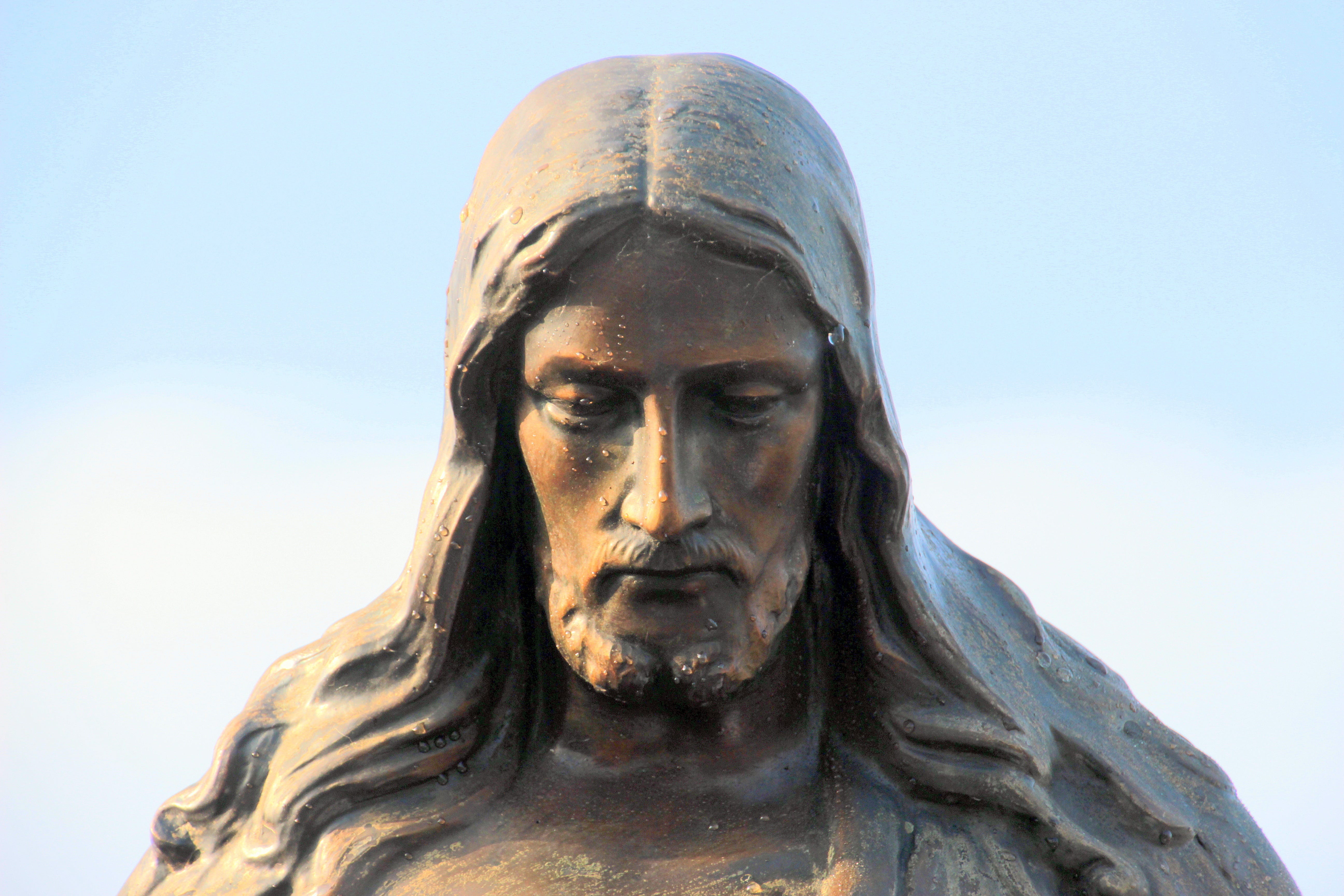
Jesus affirms that His Father is greater than anyone. And no one has the ability to take His sheep out of the Father’s hand. Jesus ends with the simple yet powerful statement: “The Father and I are one.” How did the Jews react to Jesus’ words? It is clear that these Jews were not open to Jesus’ message.
How do we fit in this scene? “My sheep hear my voice: I know them, and they follow me.” Ideally, that would be true. But is it?
We live in a very noisy world filled with all kinds of different voices, all competing for our attention. And it seems difficult, in the midst of all this noise, to hear the voice of our Shepherd.
The first reason why we sometimes miss hearing Jesus’ voice is that He is not saying what we expect. It’s challenging these days to listen to anyone or anything with an open mind. As soon as anyone speaks to us, on social media or anywhere else, we are listening for their agenda, or for evidence of how they view the world. We are making up our minds about what they are saying even before they finish. That’s the nature of the world we live in. And this is why it is more important than ever to spend quiet time with Jesus and listen to Him with an open mind and an open heart. Not to listen for what we expect Him to say, but simply to listen. Let our minds be changed. Let our hearts be changed.
The second reason we sometimes miss hearing Jesus’ voice is that we are sometimes too ashamed to listen. Our sin and guilt cause us to feel unworthy of Jesus speaking to us, so we fail to hear Him. In Genesis 3:8-10, we see this happen with Adam and Eve, after they committed the original sin.
“When they heard the sound of the LORD God walking about in the garden at the breezy time of the day,* the man and his wife hid themselves from the LORD God among the trees of the garden. The LORD God then called to the man and asked him: Where are you? He answered, “I heard you in the garden; but I was afraid, because I was naked, so I hid.”
That can happen to us, too. Our sin can cause us to feel ashamed, and we can miss hearing His voice calling us.
The third reason we might miss hearing Jesus’ voice is that he is saying something to us that we don’t want to hear.
Remember Jonah? “Now the word of the Lord came to Jonah, saying, “Go at once to Nineveh …” But Jonah set out to flee to Tarshish from the presence of the Lord.”
Taken in part from Pastoral Ponderings by James Laurence, Bishop Robert Barron gives this advice:
“How to Hear Jesus’ Voice”
“How wonderful and strange that Christianity is not a set of ideas. It’s not a philosophy or an ideology. It’s a relationship with someone who has a voice. The first disciples were privileged to hear the voice of the historical Jesus, with its very particular tonality and texture.
But we can hear His voice too, in our own way, when we hear the Scriptures proclaimed at Mass. At Mass, Catholics don’t just read the Bible; we hear the Bible. We hear the voice of Jesus, too, when the bishops and the popes speak. We can also hear the voice of Jesus in our conscience, which Newman called “the aboriginal vicar of Christ in the soul”. We can hear the voice of Jesus in good spiritual friends as well, in those people who comfort us and challenge us, and keep calling us to higher ideals, and encourage us when we fall. And we listen to Jesus because He is leading us to a renewed and transformed life on high with God.”
I would add that this Old Men’s Group serves well by encouraging and challenging one another, being the voice of Jesus to one another.
In the last verse of today’s Gospel, “The Father and I are one,” these last few paragraphs are part of a reflection in the Navarre Bible. Jesus’ statement is a clear declaration of His divinity. Throughout the Gospel of John, Jesus makes multiple declarations about His unique relationship with the Father, often using the phrase, “I and the Father are one.”
The doctrine of the Trinity teaches that God is one in essence but exists in three distinct persons: Father, Son, and Holy Spirit. When Jesus says, “He who has seen Me has seen the Father,” He is emphasizing this unity of essence. The Apostle Paul echoes this sentiment in Col. 1:15, where he describes Jesus as “the image of the invisible God.”
Church fathers and theologians have long grappled with the implications of Jesus’ statement. The Nicene Creed, formulated in 325 AD, was a response to various heresies that questioned the divinity of Jesus and His relationship with the Father. The Creed affirms that Jesus is “God from God, Light from Light, true God from true God, begotten, not made, consubstantial with the Father….(and) the Holy Spirit, who proceeds from the Father and the Son.” This creed encapsulates the orthodox Christian belief that the Father, Jesus, and the Holy Spirit are three separate persons but one God.
Understanding Jesus’ reason for revealing, “The Father and I are one,” has significant implications for our faith and daily lives. First, it assures us of the reliability and trustworthiness of Jesus’ teachings. Since Jesus is the exact representation of the Father, we can trust that His words and actions are a perfect reflection of God’s will and character.
Second, this understanding deepens our relationship with God. Knowing that Jesus is the revelation of the Father helps us to see the love, compassion, and grace of God the Father more clearly. It encourages us to draw near to Him, confident that He understands our struggles and has provided a way for us to be reconciled to Himself through Jesus.
Finally, this truth calls us to a life of imitation and submission. As followers of Christ, we are called to reflect His character in our lives. Just as Jesus revealed the Father through His words and actions, we are called to reveal Jesus to the world through our love, compassion, and righteousness. Amen.