


Ezekiel often extended God’s messages through symbolic, dramatic presentations. For example, in Ezekiel 4:1-8, he built a model of Jerusalem and laid siege to it for 390 days, representing the years of Israel’s sin. These actions served as powerful visual representations of God’s judgment and the consequences of disobedience.
Memorial of Saint Clare, Virgin
Ezekiel 2:8-3:4
Psalm 119:14, 24, 72, 103, 111, 131
Matthew 18:1-5, 10, 12-14
The weird just gets weirder in Ezekiel, all the way to the end, when God maps out the “New Israel” boundaries of the temple. We get the hint as to what’s going on in verse 17 of Chapter 3:
Son of man, I have appointed you a sentinel for the house of Israel.j When you hear a word from my mouth, you shall warn them for me.
Ezekiel is on a march through visions from God. When Israel is wont to listen, he will be able to speak. When they are stubborn, he will be mute.
Only when I speak to you and open your mouth, shall you say to them: Thus says the LORD God: Let those who hear, hear! Let those who resist, resist! They are truly a rebellious house. Ezekiel will face fierce opposition with the determination and resistance shown by his opponents.
The entire book of Ezekiel is a series of visions. By chapter 8, we have seen horrifying things.
Do you see the great abominations that the house of Israel is practicing here, so that I must depart from my sanctuary? You shall see even greater abominations!
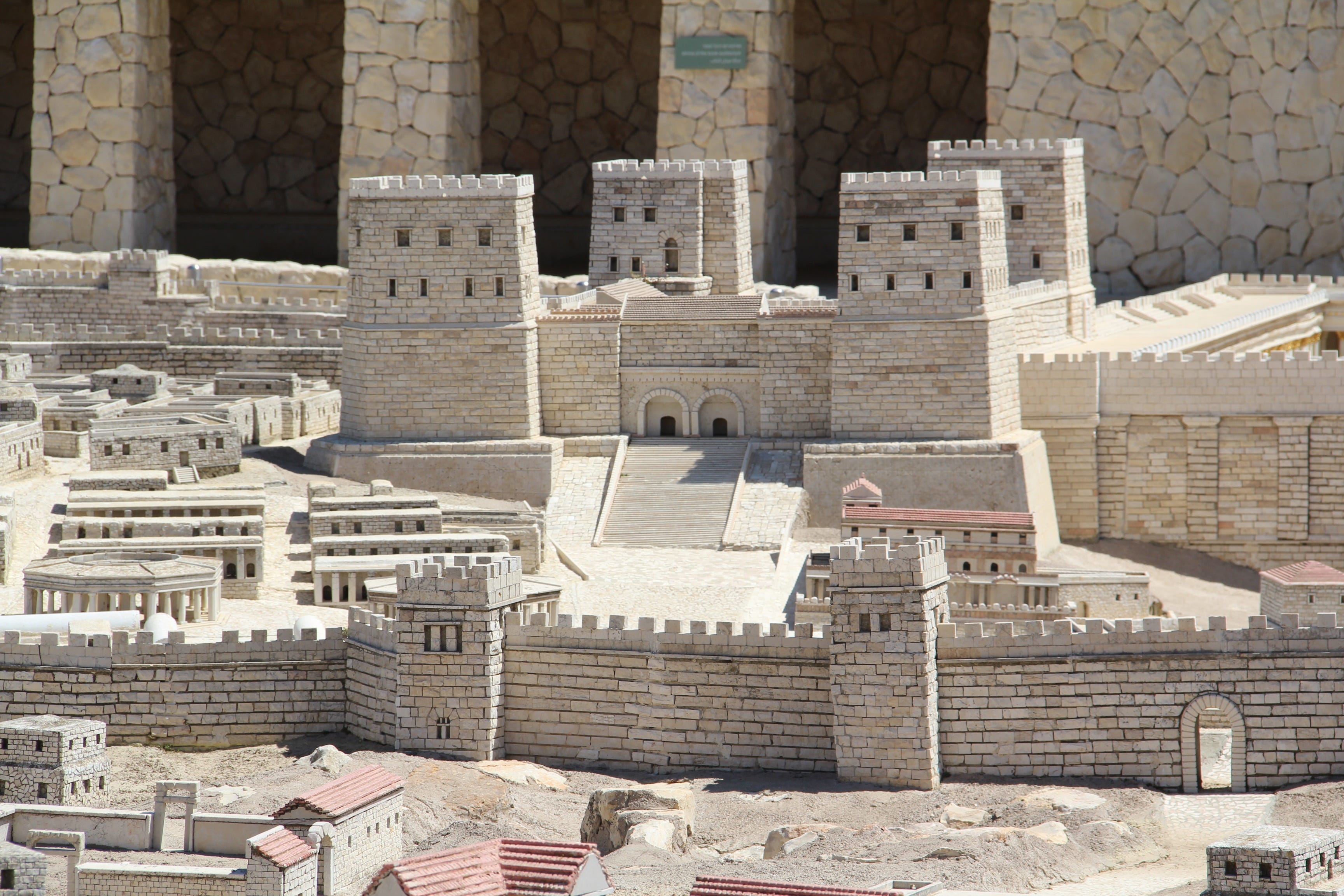
Here’s the context. In response to the rebellion of Jehoiakim of Judah in 601 B.C., Nebuchadnezzar, the Babylonian ruler, besieged Jerusalem. When Jehoiakim’s successor, Jehoiachin, surrendered in 597, Nebuchadnezzar appointed Zedekiah king and deported Jehoiachin and the royal family to Babylon, along with upper-class members, including the priest Ezekiel.
Jerusalem was destroyed in 587–586 after a lengthy siege. It wasn't until 582 that large numbers of the best elements of the surviving population were forcibly deported to Babylonia.
Ezekiel's role in all this is as a conduit for God. He first has to convince his audience that they are responsible for the punishment of exile and to justify the Lord’s decision to destroy their city and Temple.
By chapters 36 and 37, Ezekiel argues that the Judahites who embrace his preaching are the people the Lord has chosen as a new Israel, enlivened by a new heart and imbued with new breath. Ezekiel’s a winnowing prophet.
His prophetic ministry began around 593 BC, and continued for at least 22 years. In your reading, you’ll notice the theme of his preaching shifts from God's harsh judgment to the promise of the future.
God gave Ezekiel symbolic actions, strange visions, and even trances, prompting him to teach the people with unforgettable messages. The pinnacle of his stories rests upon the one we heard today. He eats a scroll on which words of prophecy are written, in order to symbolize his appropriation of the message.
Ezekiel often extended God’s messages through symbolic, dramatic presentations. For example, in Ezekiel 4:1-8, he built a model of Jerusalem and laid siege to it for 390 days, representing the years of Israel’s sin. These actions served as powerful visual representations of God’s judgment and the consequences of disobedience.
Ezekiel does not make it back to Israel; he prophesies while he’s in Babylonian exile. However, Ezekiel does bang on about Israel’s eventual restoration to the land; that is prophecy, not an account of his return.
His prophecies come true, though with a continued bit of hyperbole. St. John used many images of Ezekiel in his writings, specifically in the Book of Revelation. Today, Ezekiel marks Israel's unflagging, resilient resurgence as a leading nation in the world, a lynchpin in God’s constant involvement in our history.